Berlin war sowohl
Mekka der Lichtbildner & Lichtbildnerinnen
als auch Ausgangspunkt von deren Exil, Flucht, Verfolgung, Ende oder/und Neuanfang
Book and Exhibition Project
Photopolis 1919–1945 –
Berlin’s Lost Photographic Culture and Its Afterlife
Photopolis 1919–1945 reconstructs Berlin as a centre of modern image production – a photographic city whose visual culture was ruptured after 1933, yet whose images continue to shape our understanding of modernity to this day.
At its core are the biographies of photographers and the networks of production in which they operated in Berlin during the 1920s and 1930s – networks that were disrupted, destroyed, or only fragmentarily preserved as a result of persecution, expropriation, and war.
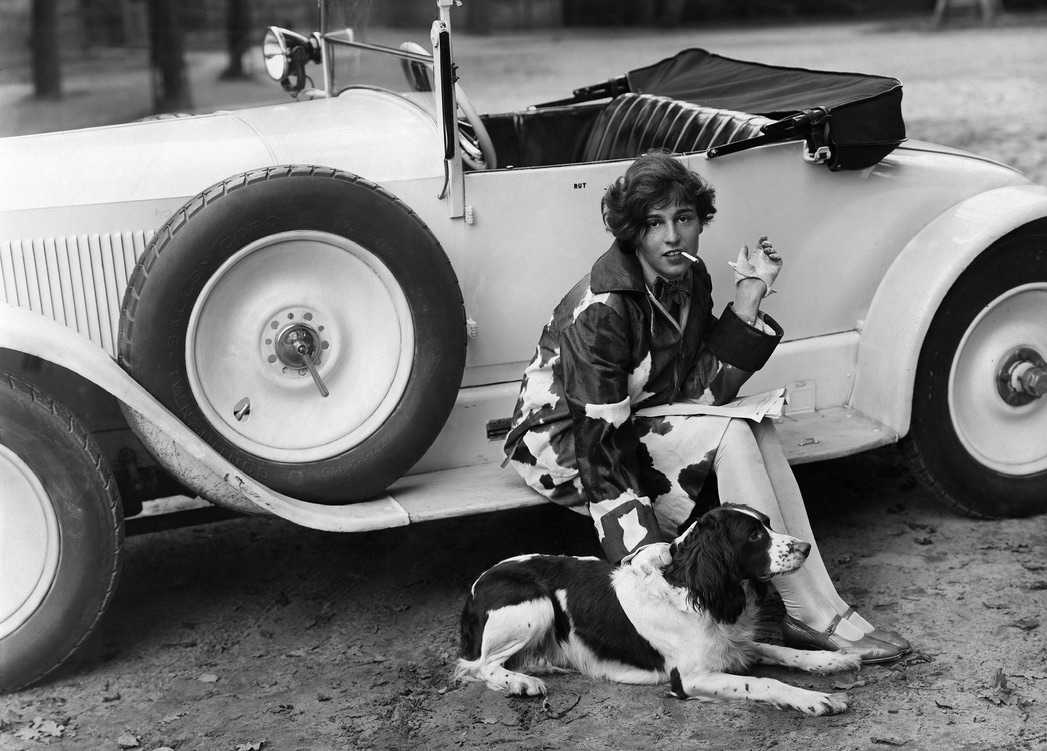
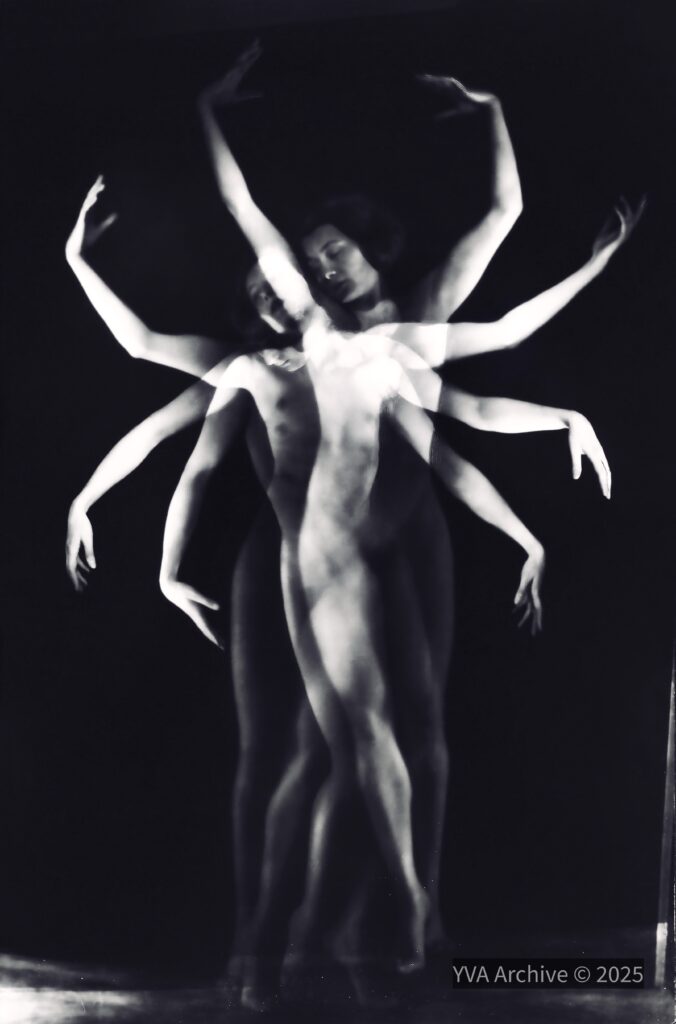
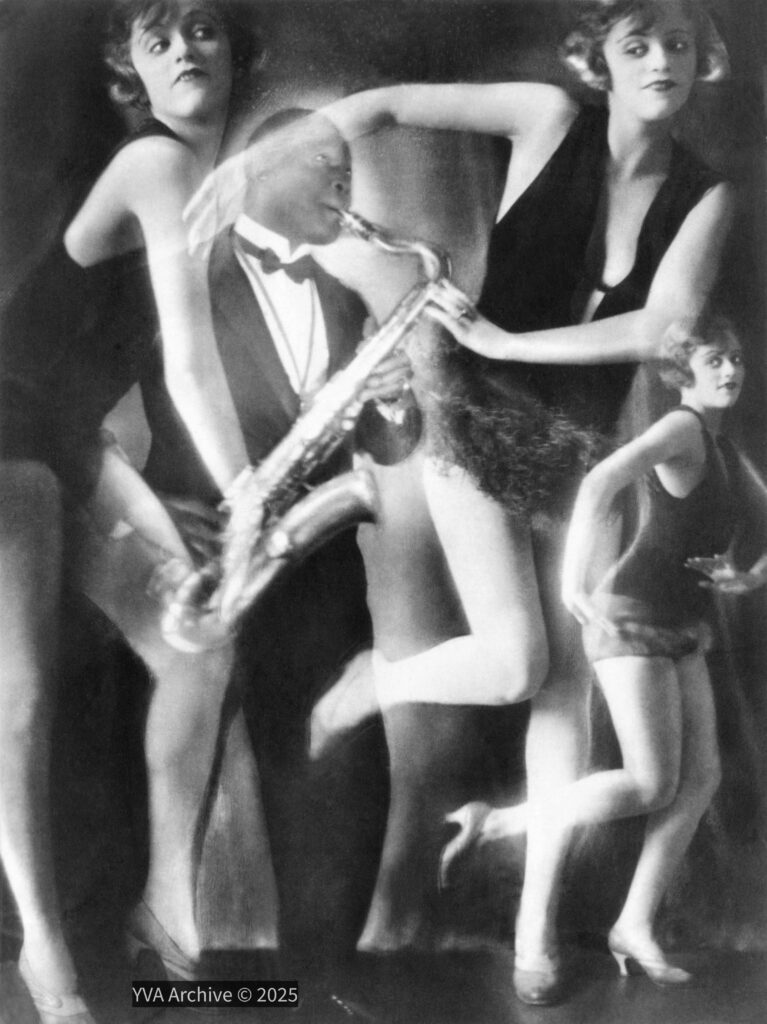
The project brings into focus figures such as Yva (Else Neuländer-Simon), Atelier Binder, the Jacobi sisters, Erwin Blumenfeld, Ellen Auerbach, Madame d’Ora, Helmut Newton and Frieda Riess – alongside lesser-known studios, assistants, and the broader production structures that shaped this pivotal moment in the history of photography.
Tracing images and biographies back to their point of origin, the project reconsiders Berlin as a hub of photographic practice. It examines studios, patrons, publishers, and agencies, and reconstructs the ruptures in careers, bodies of work, and life trajectories after 1933. For many, Berlin became the point of departure into flight, exile, deportation, or death; for others, it marked the beginning of a new life abroad.
What was lost in the rupture between 1933 and 1945? What survived? And through which mechanisms did certain images remain visible after 1945, while others disappeared?
How did these images persist – through processes of appropriation, canonisation, and aesthetic depoliticisation?
Photopolis 1919–1945 thus seeks not only to reconstruct a lost photographic culture, but to critically reassess the conditions under which its images continue to shape our visual understanding of modernity.
Participation
The Yva Archive® collaborates with private and public lenders, collectors, and supporters.
If you hold photographs, negatives, publications, correspondence, or personal recollections within family holdings that relate to Berlin studios, photographers, or trajectories of exile, we would be grateful to hear from you.
Even individual images or fragmentary traces may prove decisive.
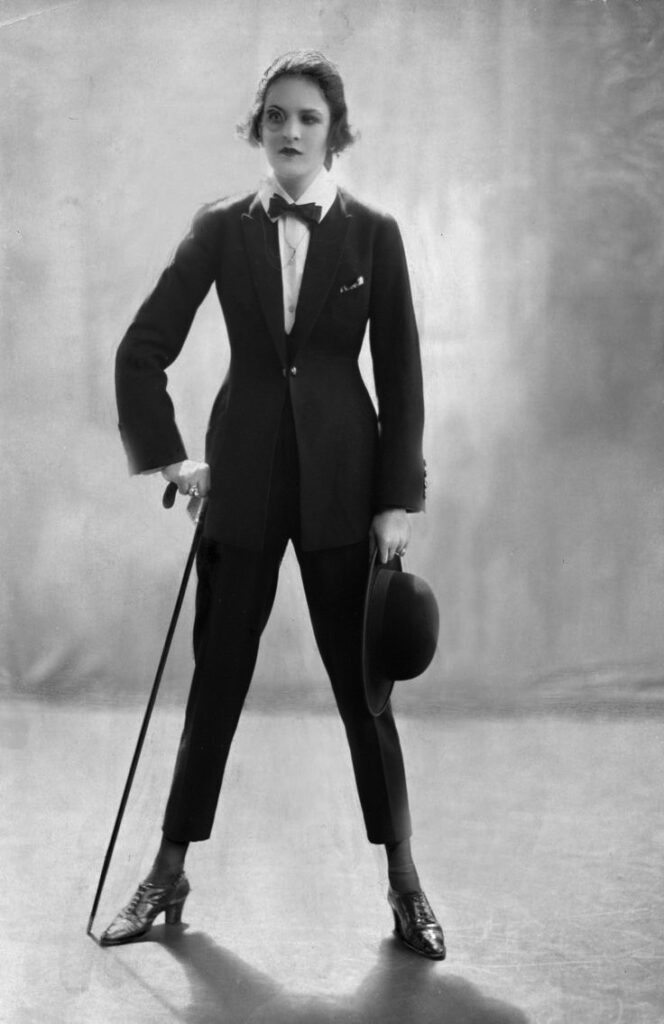
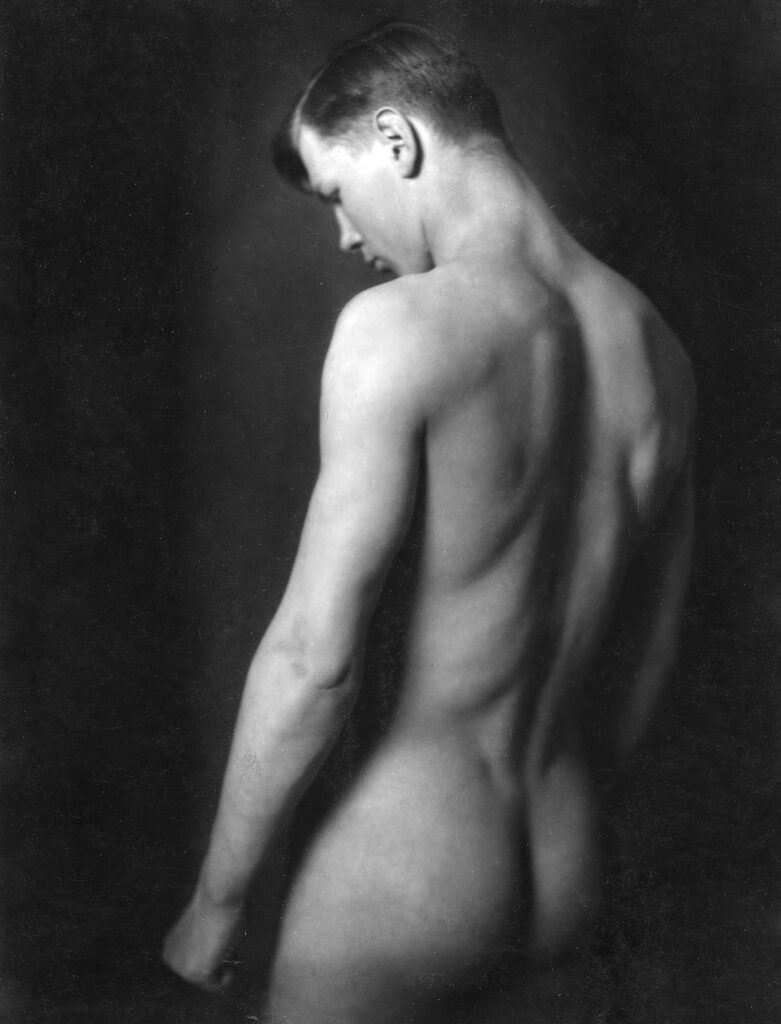
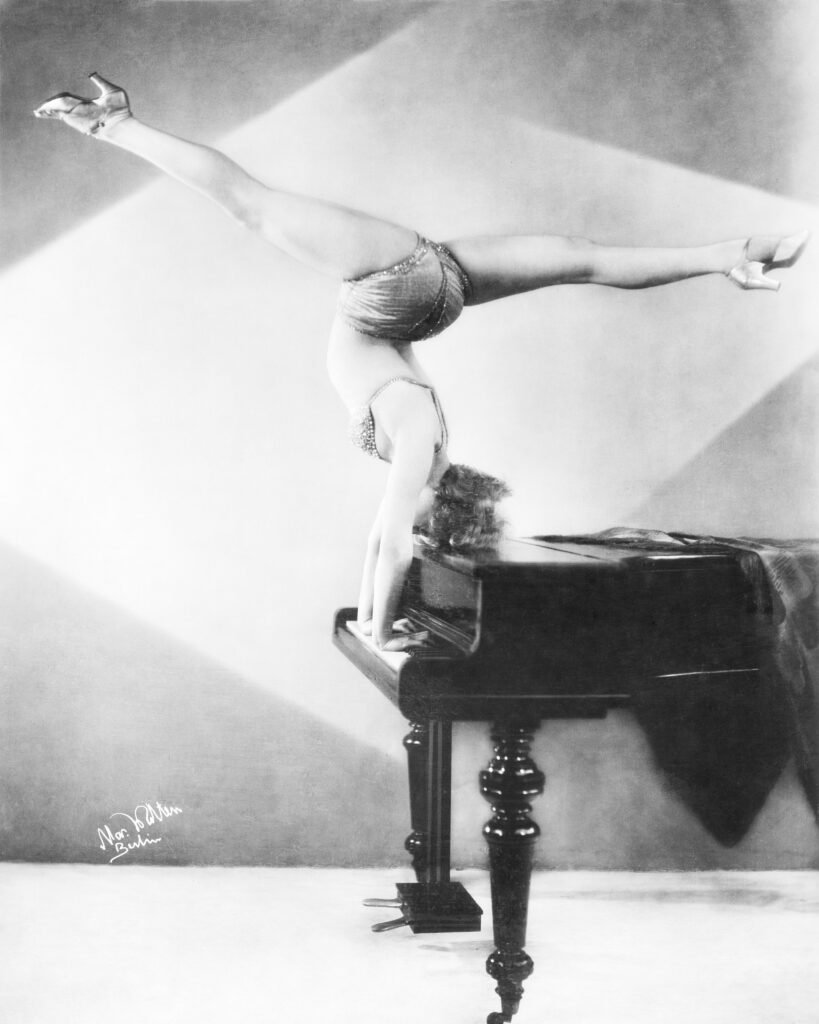
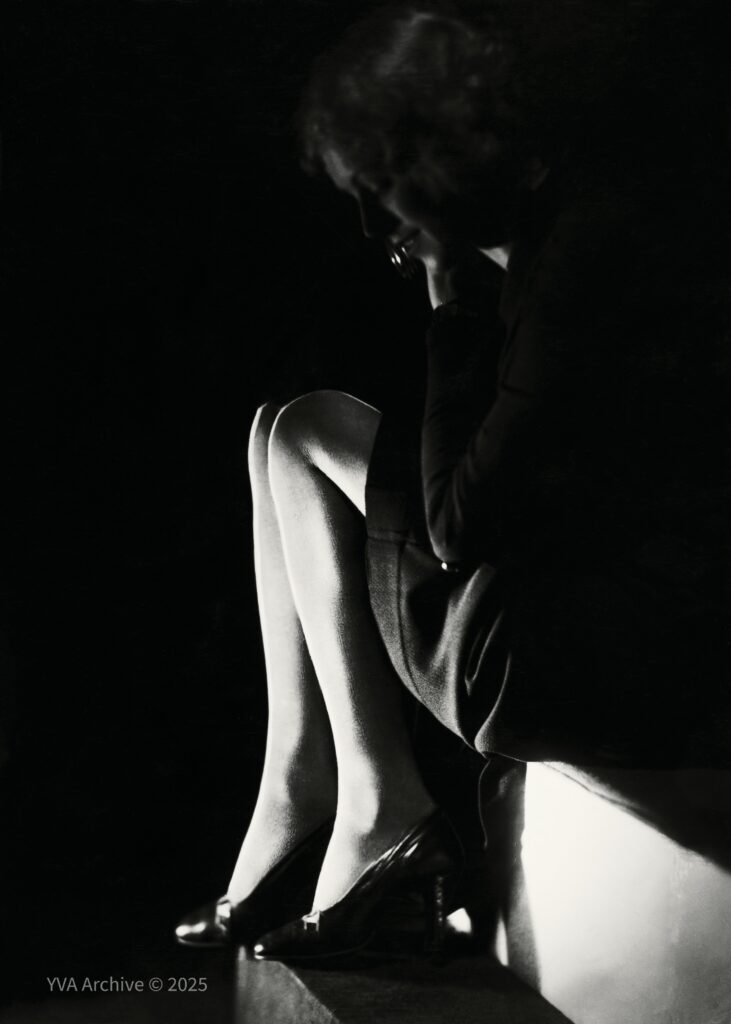
Buch- und Ausstellung/Book and Exhibition
Photopolis 1919–1945 –
Berlin’s Lost Photographic Culture and Its Afterlife
Photopolis 1919–1945 rekonstruiert Berlin als das Zentrum moderner Bildproduktion – eine fotografische Stadt, die nach 1933 zerstört wurde, deren Bilder jedoch bis heute unser Bild der Moderne prägen.
Im Mittelpunkt stehen die Biografien von Lichtbildnern sowie ihre Arbeits- und Produktionszusammenhänge im Berlin der 1920er und 1930er Jahre, die durch Verfolgung, Enteignung und Krieg verloren gingen oder nur fragmentarisch überliefert sind.
In den Blick rücken Fotografinnen und Fotografen wie Yva (Else Neuländer-Simon), das Atelier Binder, die Schwestern Jacobi, Erwin Blumenfeld, Ellen Auerbach, Madame d’Ora, Helmut Newton und Frieda Rieß – ebenso wie weniger bekannte Ateliers, Assistenten und Produktionsnetzwerke dieser für die Geschichte der Fotografie prägenden Zeit.
Das Projekt verfolgt Bilder und Biografien zurück zu ihrem Entstehungsort: Berlin als Mekka der Lichtbildner. Es fragt nach Ateliers, Auftraggebern, Verlagen und Agenturen und rekonstruiert die Brüche in Werk, Wirken und Biografien ab 1933. Für viele der Beteiligten wurde Berlin zum Ausgangspunkt von Flucht, Exil, Deportation oder Tod – für andere zum Ort eines späteren Neuanfangs im Ausland.
Was ging durch den Bruch zwischen 1933 und 1945 verloren? Was überlebte? Und durch welche Mechanismen blieben bestimmte Bilder nach 1945 sichtbar, während andere verschwanden?
Wie gestaltete sich das Nachleben dieser Bilder – ihre Aneignung, Kanonisierung und ästhetische Entpolitisierung?
Mitwirkung
Das Yva-Archiv® arbeitet mit privaten und öffentlichen Leihgebern, Sammlern und Unterstützern und Unterstützerinnen zusammen.
Wenn Sie Fotografien, Negative, Publikationen, Korrespondenzen oder Erinnerungen aus Familienbesitz besitzen, die mit Berliner Ateliers, Fotografen oder Exilwegen verbunden sind, freuen wir uns über Ihre Kontaktaufnahme.
Auch einzelne Bilder oder fragmentarische Hinweise können entscheidend sein.